
What is a RICS Level 2 Home Survey?
A RICS Level 2 survey (Home Survey) is the standard choice for many UK buyers purchasing conventional homes in reasonable condition. The surveyor inspects accessible parts of the property and reports on construction, condition, and defects using a clear format with ratings that help you prioritise repairs.
Level 2 reports typically suit post-war semis, modern estates, and well-maintained period homes without obvious structural concerns. They are less invasive than a full building survey and usually cost less, which is why agents often mention them for straightforward purchases.
However, a Level 2 survey has limits. It is not designed for complex older buildings, homes with major extensions, or properties where you already suspect serious damp, movement, or roof failure.
What is a RICS Level 3 Building Survey?
A RICS Level 3 survey (Building Survey) is the most detailed residential survey RICS surveyors offer. It includes deeper investigation of structure and fabric, more extensive commentary, and clearer guidance where specialist follow-up is needed.
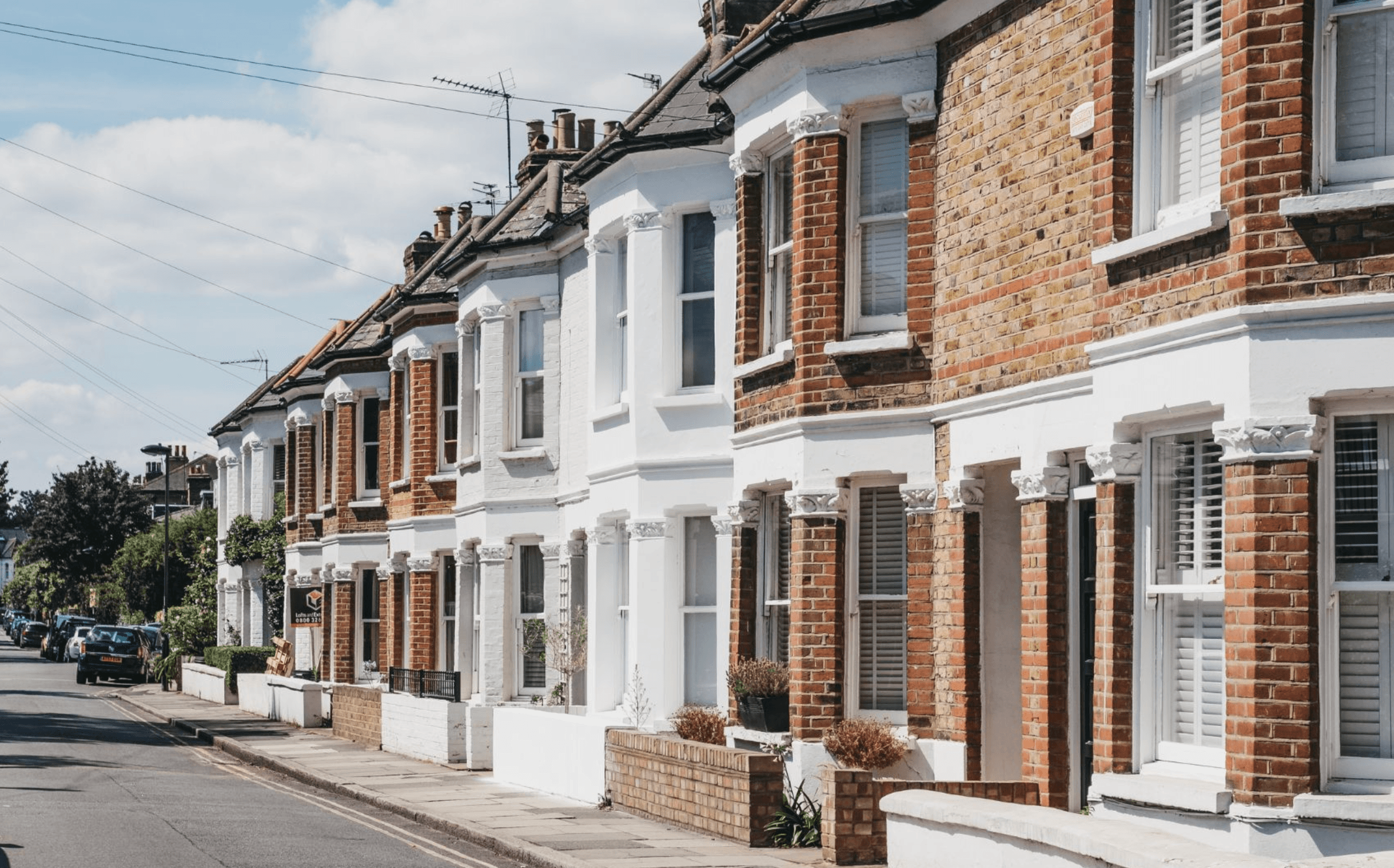
Level 3 is commonly chosen for Victorian and Edwardian homes, listed buildings, properties with cellars or multiple extensions, and homes where a Level 2 report might not provide enough technical depth for negotiation.
Because the scope is broader, Level 3 surveys take longer to prepare and cost more—but for high-value or high-risk purchases, the extra detail often pays for itself if defects are found.
RICS Level 1 surveys: when they apply
A RICS Level 1 Condition Report is the most basic option. It uses traffic-light ratings to highlight urgent issues without detailed repair advice. It can suit newer homes in good condition where you want a lighter-touch check, but many buyers still prefer Level 2 for clearer guidance before exchange.
If you are unsure, speak to a RICS-registered surveyor about the specific property. The right level depends on age, construction, visible defects, and your plans for renovation—not just the asking price.
How to decide between Level 2 and Level 3
Choose Level 2 if the property is standard construction, appears well maintained, and you have no major concerns about structure, roof, or damp. Choose Level 3 if the home is older, altered, in poor visual condition, or you intend significant refurbishment.
Mortgage valuations are not surveys. Your lender checks value; an independent RICS survey protects you from condition risk. Booking the right level before exchange gives you evidence to renegotiate, request repairs, or walk away.
Frequently asked questions
- Is a Level 2 survey enough for a 1930s semi?
- Often yes if condition is fair and there are no major extensions or visible defects. If you see movement, damp, or roof concerns, Level 3 is usually safer.
- Does Level 3 include a valuation?
- Not unless agreed separately. Level 3 focuses on condition and defects; valuation is a different service.
- How do I book the right RICS survey?
- Contact a RICS-registered firm, share the property details, and ask which level they recommend before you instruct.